Farm fence plays a crucial role in modern agriculture and animal husbandry, providing secure boundaries for livestock and protecting crops from unwanted intrusion. Its importance extends beyond mere containment; a well-maintained farm fence is integral to efficient farm management, contributing to animal welfare, preventing crop damage, and ultimately bolstering food production globally. Understanding the nuances of farm fence construction, materials, and maintenance is essential for farmers, ranchers, and anyone involved in the agricultural sector.
Globally, the demand for effective farm fencing solutions is consistently high, driven by factors like increasing populations, growing food demands, and the need for sustainable agricultural practices. According to the Food and Agriculture Organization of the United Nations (FAO), improving livestock management, including secure fencing, is vital for increasing agricultural productivity and reducing environmental impact. This translates to a significant market for farm fence, with innovations constantly emerging to address challenges such as cost, durability, and ease of installation.
The ability to reliably and affordably contain livestock and protect valuable resources makes farm fence a cornerstone of efficient and sustainable farming operations. From small family farms to large-scale agricultural businesses, a secure perimeter is often the first line of defense against losses and disruptions.
The Importance of Farm Fence
The fundamental role of farm fence is to define boundaries, controlling the movement of livestock and preventing access by pests or unwanted animals. This simple function has far-reaching implications, impacting farm productivity, profitability, and environmental sustainability. A secure farm fence minimizes livestock losses due to wandering, predation, or theft, while simultaneously protecting crops from damage caused by grazing animals.
Beyond containment, the type of farm fence chosen can significantly affect animal behavior and welfare. Appropriate fencing can reduce stress levels in livestock, preventing injuries caused by attempts to escape or compete for resources. Choosing the right farm fence is therefore a critical decision that requires careful consideration of factors like animal species, terrain, and budget.
Defining Farm Fence
Farm fence, at its core, is a barrier constructed to delineate property lines and control the movement of animals. It’s a broad category encompassing a wide range of materials and construction techniques, from traditional woven wire and wooden posts to modern electric fences and high-tensile wire systems. The specific design and materials used depend on the intended purpose – whether containing cattle, sheep, horses, or poultry – as well as the local environment and cost considerations.
In the context of modern agriculture, farm fence is more than just a physical barrier; it's an integral part of a comprehensive farm management system. It contributes to improved grazing practices, efficient livestock rotation, and the overall health and productivity of the farm. Effective fencing can also play a role in conservation efforts, preventing erosion and protecting sensitive ecosystems.
The evolution of farm fence reflects advancements in materials science and agricultural technology. While traditional materials like wood and barbed wire remain common, newer options like composite materials and solar-powered electric fences are gaining popularity due to their durability, low maintenance requirements, and environmental benefits.
Core Components of Effective Farm Fence
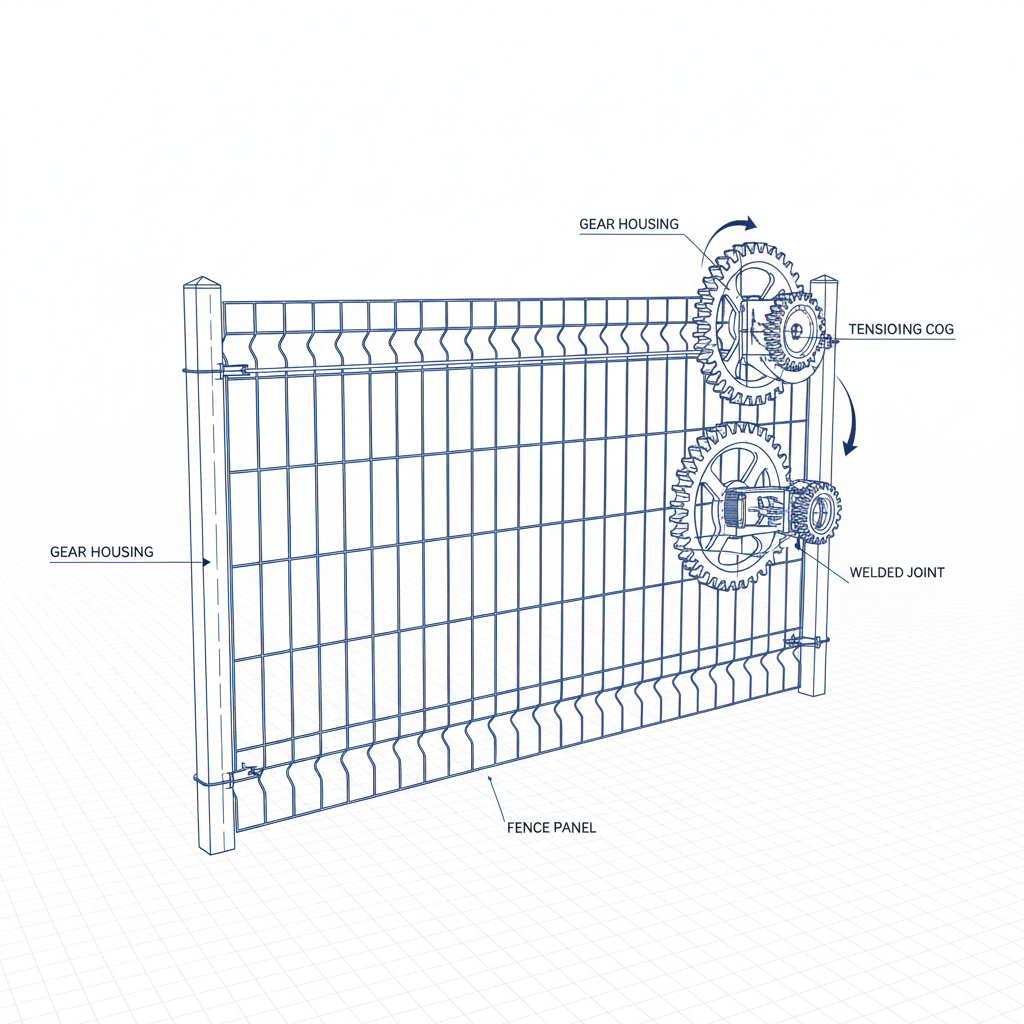
A robust farm fence system relies on several key components working in harmony. First, the posts – typically wood, steel, or fiberglass – provide the structural support for the fence. The spacing and depth of post installation are critical for stability, particularly in challenging terrain or areas prone to high winds. Secondly, the fencing material itself – woven wire, barbed wire, electric wire, or a combination – determines the level of containment and security.
Thirdly, gates are essential for access and manageability. Properly designed and installed gates should be sturdy, easy to operate, and securely latched to prevent accidental openings. Fourth, corner posts and bracing are vital for maintaining the tension and integrity of the fence line, especially at angles or changes in direction. Finally, appropriate hardware, such as clips, staples, and insulators, ensures that all components are securely connected and functioning correctly.
The quality of each component directly impacts the overall performance and longevity of the farm fence. Investing in durable, well-constructed materials and employing proper installation techniques are crucial for maximizing the return on investment and minimizing maintenance costs. Choosing materials suited for your region and livestock is paramount.
Key Factors Influencing Farm Fence Performance
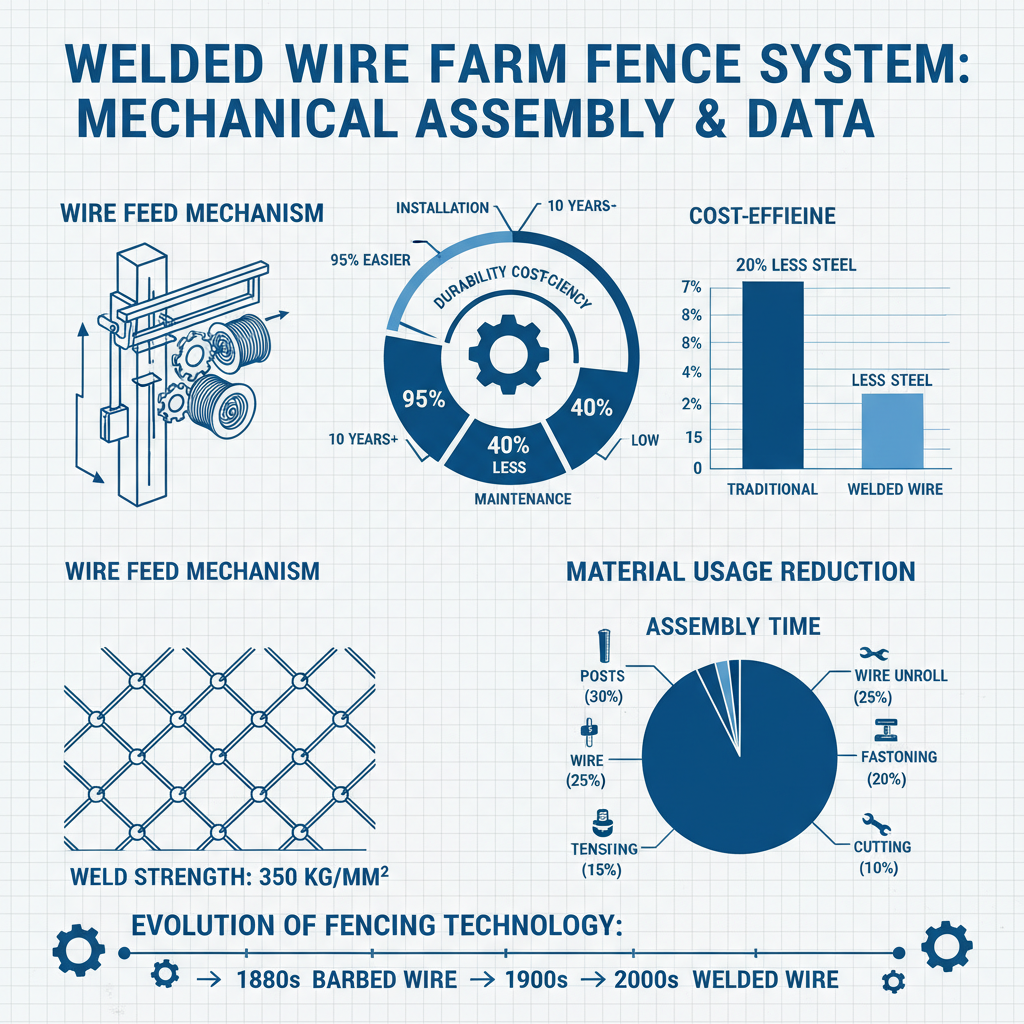
Several factors contribute to the overall performance of a farm fence, impacting its effectiveness and lifespan. Durability is paramount, with the fence needing to withstand the elements, animal pressure, and potential impacts. The choice of materials plays a significant role here, with steel and composite options generally offering superior longevity compared to wood.
Scalability is another crucial consideration, particularly for larger farms or those with varying terrain. The fence design should be adaptable to different landscapes, allowing for efficient construction and maintenance across the entire property. Cost-effectiveness is always a factor, with farmers seeking a balance between initial investment and long-term value. Maintenance requirements also influence overall cost, with low-maintenance options minimizing ongoing expenses.
Farm Fence Performance Metrics
Global Applications of Farm Fence
The applications of farm fence are remarkably diverse, spanning various geographical regions and agricultural practices. In North America, woven wire and barbed wire fences are commonly used for cattle and horse containment on expansive ranchlands. In Australia, where sheep farming is prevalent, specialized netting fences are employed to protect flocks from predators like dingoes.
Across Europe, the demand for high-tensile wire and electric fences is increasing, driven by a focus on intensive livestock management and sustainable farming practices. In developing countries, farm fence plays a crucial role in protecting smallholder farms from livestock damage and preventing crop theft. For instance, in many parts of Africa, simple wire fences are used to safeguard gardens and fields.
Advantages and Long-Term Value
Investing in a quality farm fence provides numerous tangible benefits. Cost savings are realized through reduced livestock losses, minimized crop damage, and lower maintenance expenses over the long term. Sustainability is enhanced by promoting efficient grazing practices, preventing erosion, and protecting natural resources. Socially, a secure fence contributes to community safety and reduces conflicts between farmers and neighbors.
Beyond the practical advantages, farm fence provides peace of mind, knowing that livestock are safely contained and crops are protected. This sense of security translates to increased confidence in farm operations and a stronger commitment to long-term sustainability. A well-maintained fence also enhances the aesthetic appeal of the farm, contributing to a positive image and potentially increasing property value.
Future Trends in Farm Fence Technology
The future of farm fence is likely to be shaped by several key trends. Smart fencing systems, incorporating sensors and automation, are emerging to provide real-time monitoring of fence integrity and livestock movement. These systems can alert farmers to breaches in the fence line or unusual animal behavior, enabling prompt intervention.
The development of more durable and sustainable fencing materials is also ongoing, with research focusing on recycled plastics, composite materials, and bio-based polymers. These materials offer improved longevity, reduced environmental impact, and potentially lower costs. Integration with renewable energy sources, such as solar power, will further enhance the sustainability of electric fencing systems.
Furthermore, precision agriculture techniques, utilizing GPS and data analytics, are being applied to optimize fence placement and grazing management, maximizing efficiency and minimizing environmental impact.
A Summary of Challenges and Solutions in Farm Fence Implementation
| Challenge |
Severity of Impact |
Potential Solutions |
Implementation Cost (1-10) |
| High Material Costs |
Moderate |
Explore alternative materials; Bulk purchasing |
6 |
| Difficult Terrain |
High |
Utilize flexible fencing options; Employ professional installation |
8 |
| Animal Damage |
High |
Choose appropriate fence type; Regular maintenance |
5 |
| Weather Exposure |
Moderate |
Select weather-resistant materials; Implement protective coatings |
7 |
| Labor Costs |
Moderate |
Utilize pre-fabricated fencing components; Consider DIY installation |
4 |
| Maintenance Requirements |
Moderate |
Regular inspections; Prompt repairs; Preventative maintenance |
3 |
FAQS
For long-lasting farm fence, steel posts and high-tensile wire are excellent choices due to their strength and resistance to weathering. Composite materials are also gaining popularity, offering durability and low maintenance. The specific best material will depend on your livestock and environmental conditions. Proper installation and regular maintenance are also crucial for maximizing the lifespan of any farm fence.
Regular inspection is key to maintaining effective farm fence. A thorough inspection should be conducted at least twice a year – once in the spring before the breeding season and again in the fall after harvest. Look for broken posts, damaged wire, loose connections, and potential breaches in the fence line. Addressing issues promptly prevents escapes and minimizes repairs.
Horses require strong and visible fencing to prevent injuries. Woven wire, particularly with a smooth top rail, is a popular choice. High-tensile wire with multiple strands and strategically placed electric wires can also be effective. It’s crucial to avoid fencing with small openings that could trap a horse’s hoof. Safety and visibility are paramount when choosing a fence for horses.
Wildlife damage can be a significant challenge. Using heavier gauge wire, reinforcing corner posts, and adding an electric wire can deter animals like deer or bears. Consider the specific wildlife in your area and adjust your fencing strategy accordingly. Regular maintenance and prompt repairs are essential to prevent breaches in the fence line.
Farm fence costs vary depending on the materials, length of the fence, terrain, and labor involved. Factor in the cost of posts, wire, gates, hardware, and installation. Consider long-term maintenance costs as well. Obtaining multiple quotes from different suppliers and contractors is recommended to ensure you get the best value for your investment.
Depending on your location, government programs or subsidies may be available to help offset the cost of farm fence construction. These programs often focus on promoting sustainable agricultural practices or protecting sensitive ecosystems. Check with your local agricultural extension office or government agencies to learn about available options.
Conclusion
In conclusion, farm fence remains an indispensable element of modern agriculture, playing a critical role in livestock management, crop protection, and overall farm sustainability. From traditional materials to innovative technologies, the evolution of farm fence reflects a continuous pursuit of improved efficiency, durability, and environmental responsibility. Understanding the core components, key factors, and future trends in farm fence technology is essential for farmers and ranchers seeking to optimize their operations and ensure long-term success.
Looking ahead, we can expect to see greater integration of smart technologies and sustainable materials in farm fence design, leading to more efficient and environmentally friendly solutions. Continued research and development will further refine these technologies, paving the way for a future where farm fence not only secures boundaries but also contributes to a more resilient and sustainable agricultural system.