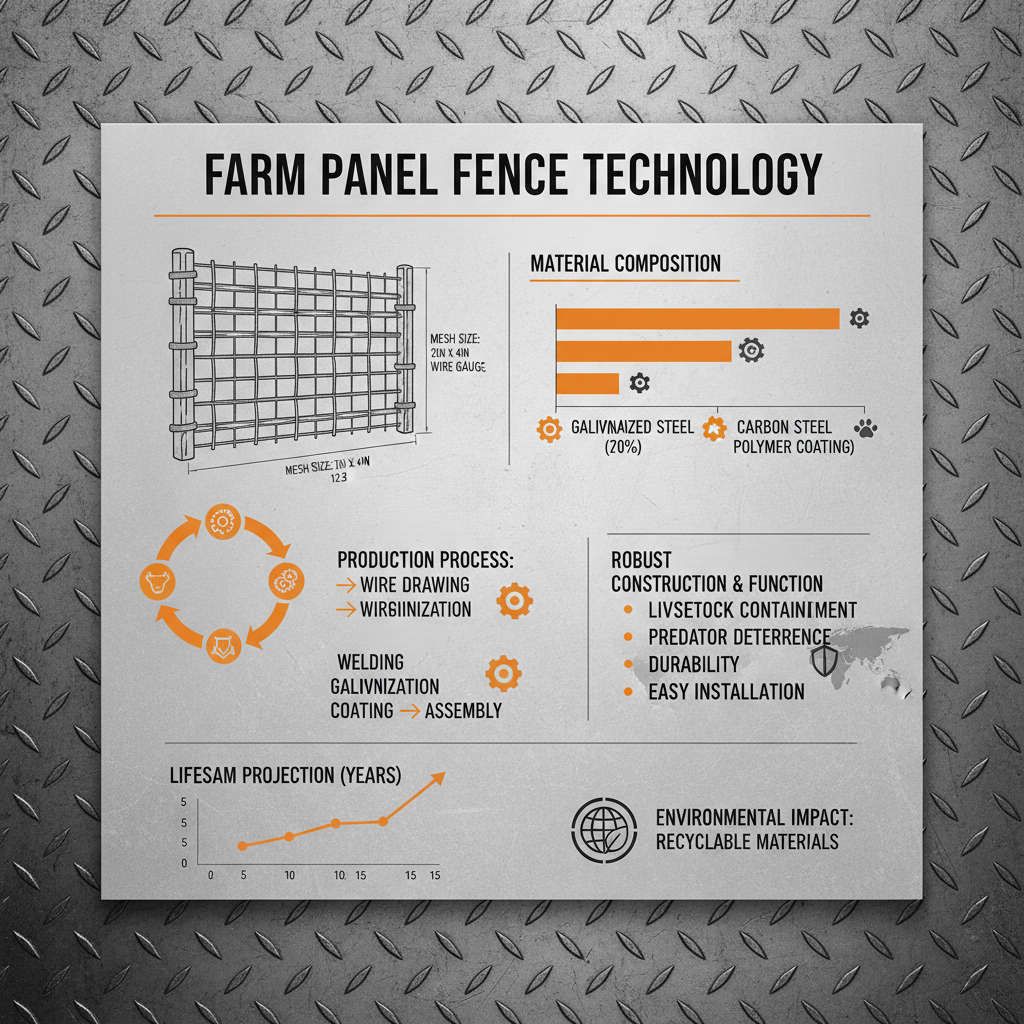
Farm panel fence solutions are rapidly gaining prominence globally, offering a versatile and efficient approach to perimeter security and livestock management. From expansive agricultural operations to critical infrastructure protection, the demand for robust and easily deployable fencing is increasing. The benefits of using a farm panel fence extend beyond simple containment, providing increased security, improved animal welfare, and streamlined operational efficiency. This demand is driven by a growing need for sustainable, cost-effective, and easily adaptable fencing systems in a world facing increasing resource constraints and security challenges.
The global farm panel fence market is projected to experience significant growth, fueled by factors such as increasing agricultural production, rising demand for livestock products, and escalating concerns about biosecurity. According to recent reports, the agricultural fencing market alone is estimated to be worth billions, with a substantial portion dedicated to panel fencing systems. This growth is particularly evident in developing nations where agricultural modernization is underway. Addressing the challenges of land encroachment, livestock theft, and disease control are paramount, driving the adoption of secure and reliable farm panel fence solutions.
Understanding the nuances of farm panel fence – its construction, applications, and benefits – is crucial for farmers, ranchers, security professionals, and policymakers alike. Effective implementation can lead to substantial improvements in productivity, security, and sustainability, contributing to a more resilient and efficient agricultural sector. Choosing the right farm panel fence solution necessitates a careful consideration of specific needs, environmental factors, and long-term cost-effectiveness, ultimately resulting in enhanced operational outcomes.

Introduction to Farm Panel Fence
Farm panel fence represents a significant advancement in agricultural and perimeter security solutions. Unlike traditional fencing methods, farm panel fence is typically constructed from welded wire mesh panels supported by sturdy posts, offering superior strength and durability. This construction provides a robust barrier for livestock containment, predator control, and property protection. The modular design allows for rapid installation and adaptation to various terrain configurations, making it a versatile choice for diverse farming and ranching needs.
The increasing adoption of farm panel fence is driven by its long-term cost-effectiveness, reduced maintenance requirements, and enhanced security features. Compared to wood or barbed wire fencing, farm panel fence resists weathering, rot, and damage from livestock, resulting in lower replacement costs and reduced labor input. Furthermore, the smooth surface of welded wire mesh minimizes the risk of injury to animals, promoting animal welfare and reducing veterinary expenses.
Defining Farm Panel Fence
Farm panel fence, at its core, is a prefabricated fencing system composed of rigid wire mesh panels that are connected to support posts. These panels are commonly made from galvanized steel wire, providing excellent corrosion resistance and longevity. The wire mesh openings are sized to effectively contain specific types of livestock while deterring predators. The entire system is designed for quick assembly and provides a secure and visually appealing perimeter solution.
The significance of farm panel fence extends beyond simply keeping animals in or out. It plays a crucial role in modern agricultural practices, contributing to biosecurity, disease control, and efficient farm management. By creating defined boundaries, farm panel fence helps prevent the spread of diseases, reduces the risk of livestock escaping, and protects crops from animal damage. This contributes to increased productivity and profitability for farmers and ranchers.
In an increasingly interconnected world, the ability to rapidly deploy secure and reliable fencing is vital. Farm panel fence addresses this need, offering a scalable and adaptable solution for a wide range of applications, from small-scale hobby farms to large-scale commercial operations, and even temporary containment for emergency situations.
Core Components of Farm Panel Fence
The fundamental components of a farm panel fence system include the welded wire mesh panels themselves, the support posts (typically steel or wood), and the connecting hardware. The panels are manufactured with varying wire gauges and mesh sizes to suit different livestock types and security requirements. Heavier gauge wire provides greater strength and durability, while smaller mesh openings are essential for containing smaller animals.
Support posts play a critical role in the structural integrity of the fence. Steel posts, often featuring specialized mounting lugs, offer superior strength and longevity compared to wooden posts. Wooden posts are a more economical option but require regular maintenance to prevent rot and deterioration. Proper post spacing is crucial for ensuring the fence remains stable and secure.
Connecting hardware, such as clips, brackets, and tension wires, are essential for securely attaching the panels to the posts and maintaining the overall tension of the fence. The quality of the connecting hardware significantly impacts the longevity and reliability of the system, so it’s important to choose components that are corrosion-resistant and designed for long-term outdoor use.
Key Factors Influencing Farm Panel Fence Selection
Selecting the appropriate farm panel fence requires careful consideration of several key factors. The first is the type of livestock being contained. Different animals require different mesh sizes and fence heights to prevent escapes and ensure their safety. For example, sheep and goats require smaller mesh openings than cattle or horses.
Secondly, the terrain and environmental conditions play a significant role. Hilly or uneven terrain may require more frequent post spacing and specialized panel designs to maintain a level and secure fence line. Areas prone to high winds or heavy snowfall will necessitate a more robust fence construction to withstand the forces of nature.
Farm Panel Fence Performance Metrics
Global Applications of Farm Panel Fence
Farm panel fence finds widespread application across diverse agricultural landscapes worldwide. In Australia, it's commonly used for sheep and cattle farming, providing a robust barrier against predators like dingoes. North America utilizes farm panel fence extensively for livestock containment in both large-scale ranching operations and smaller hobby farms.
In Europe, farm panel fence is increasingly popular for protecting vineyards and orchards from wildlife damage, as well as for creating secure paddocks for horses and other livestock. The demand is also growing in emerging agricultural regions in Africa and Asia, where it’s playing a vital role in improving farm productivity and biosecurity.
Advantages and Long-Term Value
The advantages of farm panel fence extend far beyond simple containment. Its durability translates into significantly lower life-cycle costs compared to traditional fencing materials. Reduced maintenance requirements save valuable time and labor, allowing farmers to focus on core agricultural operations. The inherent strength of the welded wire mesh provides superior security, protecting livestock from predators and preventing unauthorized access to property.
Furthermore, farm panel fence contributes to improved animal welfare by minimizing the risk of injuries. The smooth wire surface prevents abrasions and entanglement, ensuring the safety and well-being of livestock. By enhancing security and reducing losses, farm panel fence directly impacts farm profitability and sustainability, offering a valuable long-term investment for agricultural businesses.
Future Trends in Farm Panel Fence Technology
The future of farm panel fence is poised for innovation, driven by advancements in materials science and manufacturing techniques. The development of even more corrosion-resistant coatings and alloys will further extend the lifespan of these systems. Smart fencing solutions, incorporating sensors and monitoring technologies, are emerging, allowing farmers to remotely track fence integrity and detect potential breaches.
Additionally, sustainable manufacturing practices are gaining traction, with a focus on utilizing recycled materials and reducing the environmental impact of production. The integration of farm panel fence with precision livestock farming systems will enable automated monitoring of animal behavior and improved resource management.
Expect to see increased adoption of modular designs and customizable panel options, catering to the specific needs of diverse agricultural operations. This will lead to even greater flexibility, efficiency, and cost-effectiveness in farm fencing solutions.
Summary of Challenges and Potential Solutions in Farm Panel Fence Implementation
| Challenge | Impact on Farm Panel Fence Performance | Potential Solution | Implementation Cost (1-10) |
|---|
| Corrosion in Harsh Environments | Reduced fence lifespan and increased maintenance. | Utilize high-grade galvanized steel with specialized coatings. | 7 |
| Uneven Terrain Installation | Compromised fence stability and potential for animal escapes. | Employ flexible panel designs and adjust post spacing accordingly. | 6 |
| Predator Digging Under Fence | Livestock vulnerability and potential losses. | Bury the bottom of the fence or add a wire mesh apron. | 4 |
| High Wind Loads | Fence failure and damage. | Increase post density and use wind bracing. | 5 |
| Material Costs | High initial investment. | Explore alternative materials and bulk purchasing options. | 3 |
| Lack of Skilled Installation | Improper installation leading to reduced fence effectiveness. | Provide training and certification programs for installers. | 8 |
FAQS
Farm panel fence offers significant advantages over barbed wire. It's safer for livestock, reducing the risk of injuries, and provides a more aesthetically pleasing appearance. Panel fencing is also generally more durable and requires less maintenance than barbed wire, leading to lower long-term costs. Furthermore, it offers improved security and can be a more effective deterrent to predators.
The lifespan of a farm panel fence depends on several factors, including the quality of materials used, the environmental conditions, and the level of maintenance. However, with proper installation and care, a well-constructed farm panel fence can easily last 20-30 years or even longer. Galvanized steel panels with durable coatings are particularly resistant to corrosion and weathering, extending their lifespan significantly.
Farm panel fence is versatile and can be adapted for various livestock types. However, the specific mesh size and fence height should be chosen based on the animals being contained. For smaller animals like sheep or goats, smaller mesh openings are necessary to prevent escapes. For larger animals like cattle or horses, larger mesh openings and appropriate fence heights are sufficient.
Farm panel fence can be engineered to withstand heavy snowfall and strong winds. Using heavier gauge posts and closer post spacing provides increased stability. Wind bracing can also be added to further reinforce the fence. Additionally, selecting panels with a robust construction and durable coatings can help prevent damage from the elements.
The initial cost of installing a farm panel fence can be higher than some traditional options like barbed wire. However, when considering the long-term life-cycle costs, farm panel fence is often more cost-effective. Its durability, reduced maintenance requirements, and longevity contribute to lower overall expenses over the lifespan of the fence.
Yes, choosing a farm panel fence with durable and corrosion-resistant coatings reduces the need for frequent replacements, minimizing waste. Exploring options made with recycled materials or from manufacturers with sustainable practices can further reduce the environmental impact. Additionally, the reduced risk of animal escapes can prevent habitat damage and promote responsible land management.
Conclusion
In conclusion, farm panel fence represents a superior fencing solution for modern agricultural operations. Its durability, security, reduced maintenance, and improved animal welfare benefits offer substantial advantages over traditional fencing materials. The increasing demand for efficient and sustainable farming practices will continue to drive the adoption of farm panel fence worldwide. Understanding its core components, key selection factors, and future trends is essential for making informed decisions.
Looking ahead, innovation in materials and design will further enhance the performance and versatility of farm panel fence. Integrating smart technologies and prioritizing sustainable manufacturing practices will ensure that farm panel fence remains a vital component of a resilient and productive agricultural sector. For reliable and high-quality farm panel fence solutions, visit our website: farm panel fence.