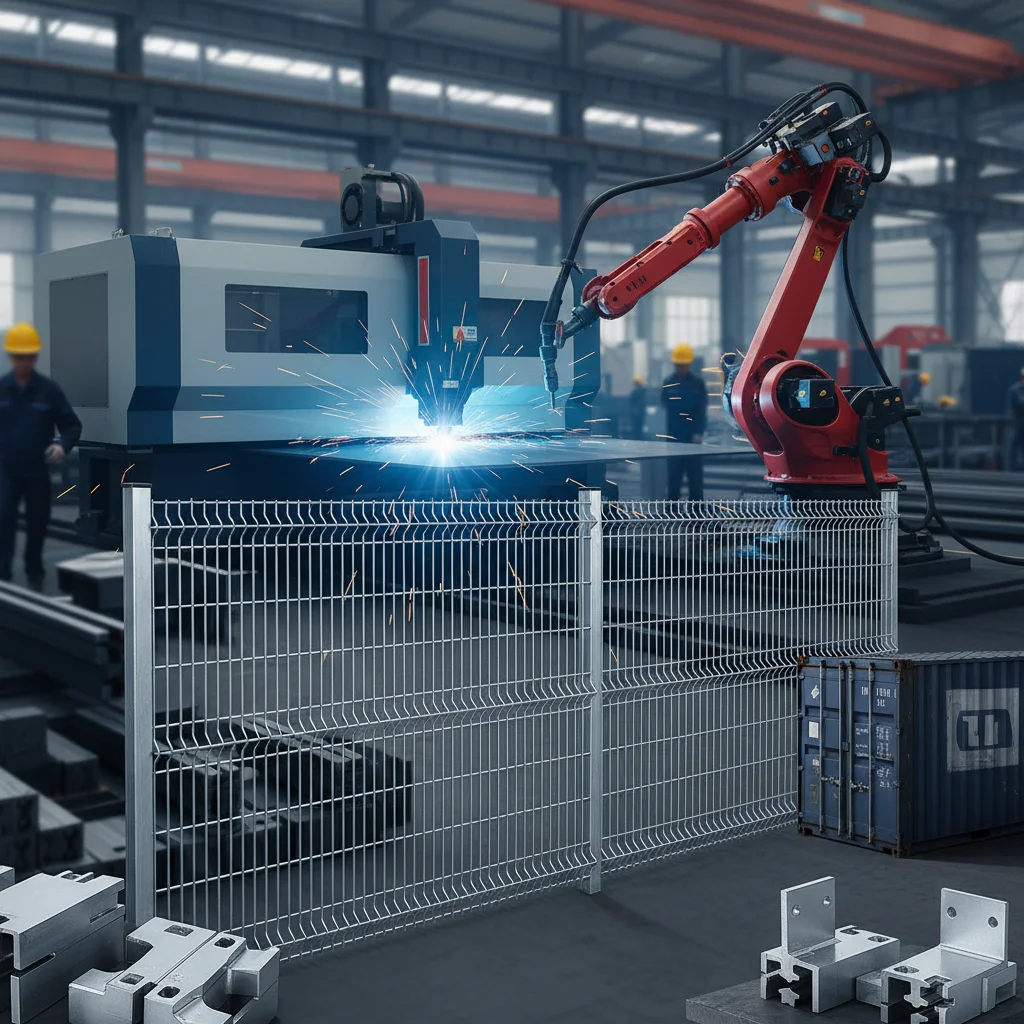
Farm dog fence solutions are increasingly vital in modern agriculture, providing secure containment for working dogs essential to livestock management and farm security. The demand for robust, reliable fencing to protect both animals and property is growing globally, fueled by increasing farm sizes and a greater emphasis on efficient agricultural practices. Understanding the nuances of farm dog fence construction and materials is crucial for farmers seeking to optimize their operations and safeguard their valuable assets.
The global market for agricultural fencing, including specifically designed farm dog fence options, is a multi-billion dollar industry. According to recent reports, the livestock fencing sector alone is projected to experience significant growth in the coming years, driven by factors like rising meat consumption and the expanding need for controlled grazing. A key challenge facing the industry is balancing cost-effectiveness with durability and animal welfare, leading to constant innovation in materials and design.
Investing in a high-quality farm dog fence is not simply about perimeter security; it’s about protecting a farmer’s livelihood, ensuring the well-being of working dogs, and optimizing overall farm efficiency. Proper fencing minimizes livestock losses due to predators, prevents dogs from straying, and reduces the risk of property damage. Choosing the right farm dog fence is, therefore, a strategic investment with long-term benefits.

Introduction to Farm Dog Fence
A well-constructed farm dog fence isn’t just a physical barrier; it’s a critical component of responsible farm management. It enables farmers to utilize working dogs effectively for tasks such as herding, guarding livestock, and detecting intruders, all while ensuring the dogs’ safety and preventing them from causing unintended harm to neighboring properties or wildlife. The right fence design can significantly enhance a farm’s operational efficiency and security.
The types of farm dog fence available are diverse, ranging from traditional woven wire and chain-link options to more modern electric and wireless systems. Each type offers different levels of security, cost, and ease of installation. Selecting the most appropriate fence depends on factors such as the breed and temperament of the dogs, the size and terrain of the farm, and the specific security needs of the operation.
Defining Farm Dog Fence
A farm dog fence is a specialized containment system designed to safely and securely confine working dogs on agricultural properties. Unlike standard pet fences, farm dog fence is engineered to withstand the rigors of a farm environment, including potential challenges from livestock, wildlife, and harsh weather conditions. It prioritizes both the dog’s welfare and the security of farm assets.
The concept extends beyond simply preventing escape; it's about creating a designated safe space for dogs to perform their duties without compromising the integrity of livestock operations. It’s a key element of responsible animal husbandry and promotes harmonious coexistence between working dogs and other farm animals. This connection to modern agricultural practices emphasizes the importance of ethical and efficient farming methods.
In essence, a farm dog fence is a deliberate investment in operational efficiency, risk management, and animal welfare. It’s a practical solution tailored to the unique demands of the agricultural environment, ensuring that working dogs can contribute effectively to farm operations while remaining safe and secure.
Core Components of Effective Farm Dog Fence
Several core factors determine the effectiveness of a farm dog fence. First and foremost is Durability. A farm environment is demanding, and the fence must withstand impacts from livestock, weather, and general wear and tear. Second, Height and Construction are vital. The fence needs to be tall enough to prevent jumping and constructed with materials resistant to digging.
Material Quality is a crucial aspect. Galvanized steel, high-density polyethylene, and reinforced woven wire are commonly used for their strength and longevity. Ground Penetration is also key – a properly installed fence should extend into the ground to prevent digging under it. Finally, Visibility matters for both dog and livestock safety; the fence should be easily seen to avoid collisions.
The interplay of these components determines the overall effectiveness of the farm dog fence. A compromise in any one area can compromise the entire system. For instance, a durable material that isn’t properly grounded or doesn’t have sufficient height will still fail to contain determined dogs. Careful consideration of these factors is paramount when selecting and installing a farm dog fence.
Global Applications and Use Cases
Farm dog fence solutions are utilized across a diverse range of agricultural settings globally. In Australia, vast livestock stations rely heavily on robust fencing systems, including farm dog fence, to manage sheep and cattle over expansive territories. Similarly, in the American Midwest, fencing plays a critical role in controlling grazing patterns and protecting livestock from predators like coyotes.
In South America, particularly in regions with extensive cattle ranching, well-maintained farm dog fence is essential for preventing livestock theft and maintaining herd integrity. Even in smaller-scale European farms, utilizing border collies and other herding breeds, specialized farm dog fence solutions help streamline operations and improve animal welfare.
Beyond traditional livestock farming, these fences are also employed in specialized agricultural industries like vineyards and orchards, where dogs are used for pest control and bird deterrence. The versatility of farm dog fence makes it a valuable asset across a wide spectrum of agricultural practices worldwide.
Farm Dog Fence Method Comparison
Advantages and Long-Term Value
The advantages of investing in a quality farm dog fence extend far beyond simple containment. Cost savings are a significant benefit, as reduced livestock losses and minimized damage to property quickly offset the initial investment. Furthermore, a secure farm dog fence contributes to enhanced animal welfare by protecting working dogs from hazards and promoting responsible breeding practices.
From a sustainability perspective, effective fencing reduces the need for constant monitoring and intervention, allowing farmers to focus on more efficient and environmentally friendly land management practices. The long-term reliability of a well-maintained farm dog fence translates to reduced maintenance costs and a lasting contribution to the farm’s overall operational stability.
Future Trends in Farm Dog Fence Technology
The farm dog fence industry is experiencing a wave of innovation, driven by advancements in materials science and digital technology. Smart fencing systems, incorporating GPS tracking and remote monitoring capabilities, are gaining traction, allowing farmers to monitor their dogs’ location and behavior in real-time. These systems can also provide alerts if a dog breaches the fence line.
The development of more sustainable and eco-friendly fencing materials, such as recycled plastics and biodegradable polymers, is another key trend. As environmental consciousness grows, demand for these materials will likely increase, offering a more responsible alternative to traditional options.
Challenges and Innovative Solutions
One common challenge with farm dog fence is maintaining its integrity in challenging terrain or areas prone to wildlife damage. Traditional fencing methods can be costly and time-consuming to repair after damage from storms or animals. Innovative solutions include the use of more flexible and impact-resistant materials, as well as the implementation of preventive maintenance programs.
Another challenge is dealing with determined dogs that are adept at digging or jumping. Solutions include burying the fence deeper, adding an angled overhang to prevent climbing, and utilizing electric fencing as a deterrent. Combining different fencing techniques can often provide the most effective containment solution.
Ultimately, proactive monitoring and timely repairs are crucial for maintaining the effectiveness of any farm dog fence system. Regular inspections and prompt attention to damage can prevent costly breaches and ensure the continued safety and security of livestock and working dogs.
Summary of Farm Dog Fence Challenges and Solutions
| Challenge | Severity Level (1-5) | Potential Solution | Implementation Cost (1-5) |
|---|
| Damage from large livestock | 3 | Reinforced woven wire with high tensile strength | 4 |
| Digging under the fence | 4 | Burying the fence deeper or adding a buried wire mesh apron | 2 |
| Dogs jumping over the fence | 3 | Increasing fence height or adding an angled overhang | 3 |
| Wildlife damage (e.g., deer collisions) | 2 | Highly visible fencing and/or wildlife deterrents | 2 |
| Corrosion in harsh weather | 3 | Galvanized steel or corrosion-resistant materials | 4 |
| Maintaining fence tension | 2 | Regular inspections and tension adjustments | 1 |
FAQS
For large, energetic dogs, a combination of height and strength is crucial. We recommend a woven wire fence at least 6 feet tall, with a heavy gauge wire and smaller mesh openings to prevent squeezing through. Adding a buried apron or electric wire can deter digging. Consider materials like high-tensile steel for maximum durability, especially if dealing with powerful breeds.
There are several effective solutions. You can bury the fence at least 12-18 inches deep, or add a “L-footer” – a section of wire mesh bent outward at the base of the fence, buried horizontally. Electric fencing placed a few inches underground can also be a strong deterrent. Regularly inspect the fence line for signs of digging and address them immediately.
When properly installed and used, electric farm dog fence is generally safe. It delivers a brief, startling shock, not a harmful one. The key is to introduce the dog to the fence gradually, allowing them to learn the boundary without fear. Ensure the voltage is appropriate for the dog’s size and breed, and regularly check the system for malfunctions.
Woven wire is often preferred for its flexibility and ability to conform to uneven terrain, making it a good choice for containing livestock and dogs. Chain link is very strong and durable but less forgiving in terms of shape and can be more expensive. Woven wire is typically more cost-effective for larger areas, while chain link offers superior security for smaller, high-value areas.
Regular inspections are critical. At a minimum, walk the entire fence line monthly, looking for broken wires, loose posts, digging, or other damage. Perform necessary repairs promptly. Annual maintenance should include tightening wires, replacing damaged sections, and clearing vegetation that may be compromising the fence's integrity.
The height of your farm dog fence should be determined by the breed and jumping ability of your dogs, as well as the presence of potential predators. For most medium-sized working dogs, a 5-6 foot fence is sufficient. Larger breeds or those known for jumping may require a 7-8 foot fence. Consider adding an angled overhang to further deter jumping.
Conclusion
Investing in a well-planned and maintained farm dog fence system is an investment in the overall health, security, and efficiency of your agricultural operation. From providing secure containment for working dogs to protecting livestock and minimizing property damage, the benefits are far-reaching and long-lasting. Understanding the core components, global applications, and emerging trends in farm dog fence technology is crucial for making informed decisions that meet your specific needs.
As technology continues to advance, we can expect to see even more innovative and sustainable farm dog fence solutions emerge. Embracing these advancements, alongside proactive maintenance and a commitment to best practices, will ensure that your farm dog fence continues to provide reliable protection and support for years to come. For the highest quality farm dog fence solutions, visit our website: farm dog fence.