

Steel Picket Fence Solutions for Papua New Guinea

Steel Picket Fence Solutions for Papua New Guinea

Providing durable and aesthetically pleasing fencing solutions for residential, commercial, and industrial applications in Papua New Guinea.

Steel Picket Fence Solutions for Papua New Guinea

Offering a comprehensive range of high-quality steel picket fences tailored to the unique needs of Papua New Guinea’s climate and security requirements.

Current Market Landscape in Papua New Guinea

An overview of the fencing market in Papua New Guinea, considering its geographical challenges and economic factors.

Papua New Guinea presents a unique market for Steel Tubular Fence due to its diverse terrain, ranging from coastal lowlands to rugged highlands. The humid tropical climate necessitates corrosion-resistant materials, making galvanized steel and aluminum alloy fencing popular choices. Security concerns are also a significant driver, especially in urban areas.

The construction industry in Papua New Guinea is experiencing moderate growth, fueled by infrastructure projects and increasing urbanization. This growth directly impacts the demand for Steel Picket Fence, Steel Fence, and other perimeter security solutions. However, logistical challenges and import restrictions can present obstacles for suppliers.

The relatively high cost of imported materials contributes to a preference for locally manufactured products whenever possible. Wrought Iron Fence, while aesthetically desirable, often faces cost barriers, leading to increased adoption of more affordable steel alternatives. Aluminum Alloy fence is gaining traction as a lightweight, corrosion-resistant option.

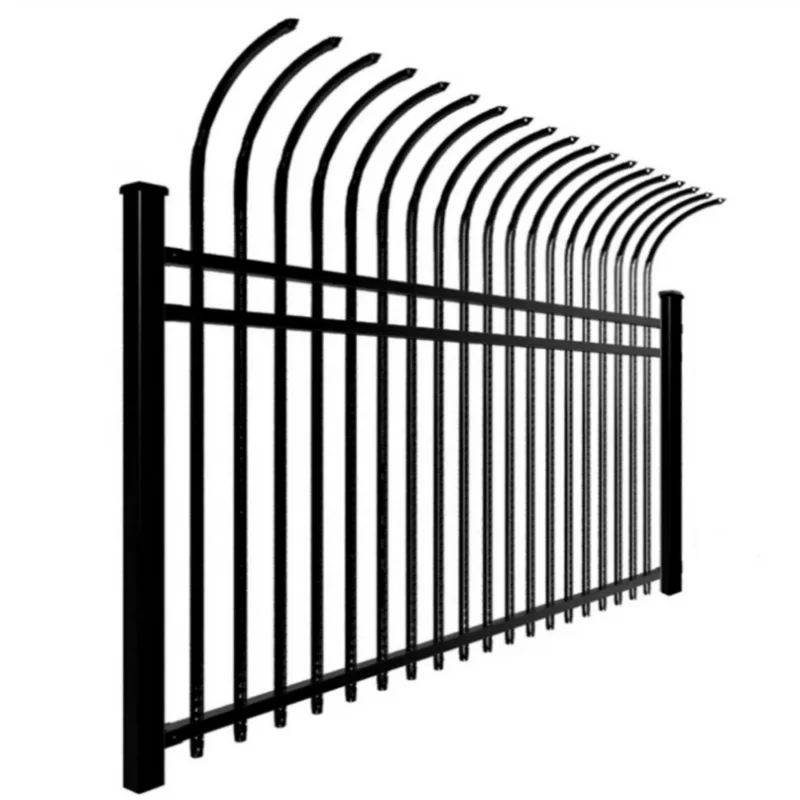
Evolution of Fencing Technology and Market Trends in Papua New Guinea

Tracing the development of fencing materials and techniques from traditional methods to modern innovations.

Market Development History

Historically, fencing in Papua New Guinea relied heavily on natural materials like wood and bamboo. These were readily available but lacked durability and security. In the mid-20th century, the introduction of chain-link fencing provided a more robust solution, particularly for industrial and agricultural applications.

The 1990s saw the gradual adoption of steel fencing, driven by improved manufacturing techniques and increasing awareness of security concerns. Galvanization became a standard practice to combat corrosion in the humid climate. The rise of globalization in the 2000s facilitated the import of more sophisticated fencing systems, including powder-coated steel and aluminum alloys.

Recent years have witnessed a growing demand for aesthetically pleasing fencing options, such as ornamental steel and picket fences. Customers are increasingly seeking fencing that balances security with visual appeal. E-commerce platforms have also begun to play a role in connecting suppliers with customers across the country.

Future Development Trends

Smart Fencing Integration

The integration of smart technologies, such as sensors and automated gates, is expected to become more prevalent in the coming years. These systems offer enhanced security and remote monitoring capabilities.

Sustainable Materials

There is a growing interest in environmentally friendly fencing materials, such as recycled steel and sustainably sourced wood. This trend is driven by increasing environmental awareness and government regulations.

Advanced Coatings

The development of advanced coatings, such as ceramic coatings and powder coatings with enhanced UV resistance, will further improve the durability and longevity of steel and aluminum fences.

Industry Trends and Future Outlook for Metal Fencing in Papua New Guinea

An analysis of emerging trends and future prospects for the fencing industry in Papua New Guinea.

Increased Demand for Security Fencing
Growing security concerns in both urban and rural areas are driving demand for high-security fencing solutions, including palisade fencing and reinforced steel picket fences.
Rise of Aluminum Alloy Fencing
Aluminum alloy fencing is gaining popularity as a lightweight, corrosion-resistant, and cost-effective alternative to traditional steel options.
Growing Preference for Aesthetic Fencing
Homeowners and businesses are increasingly seeking fencing that combines security with visual appeal, leading to a demand for ornamental steel and decorative picket fences.
Increased Focus on Corrosion Resistance
The humid tropical climate of Papua New Guinea necessitates fencing materials with excellent corrosion resistance, driving demand for galvanized steel, aluminum, and specialized coatings.

Industry Outlook

The fencing industry in Papua New Guinea is poised for continued growth in the coming years, driven by infrastructure development, urbanization, and increasing security concerns. The adoption of innovative materials and technologies will further enhance the performance and durability of fencing systems.

Suppliers who can offer customized solutions, reliable supply chains, and competitive pricing will be well-positioned to succeed in this dynamic market. Investing in local manufacturing capabilities and building strong relationships with local contractors will also be crucial for long-term success.

Local Application Scenarios for Metal Fencing in Papua New Guinea

Exploring specific use cases for metal fencing in Papua New Guinea, considering the local context.

1. Residential Perimeter Security

Securing residential properties from theft and unauthorized access is a primary concern in Papua New Guinea. Steel Tubular Fence and Steel Picket Fence are popular choices for creating secure perimeters around homes and gardens.

2. Commercial and Industrial Estates

Protecting commercial and industrial facilities requires robust and durable fencing solutions. Palisade fencing and heavy-duty Steel Fence are commonly used to secure warehouses, factories, and business parks.

3. Agricultural Land Protection

Farmers in Papua New Guinea often use fencing to protect their crops and livestock from theft and damage. Chain-link fencing and woven wire fencing are effective solutions for agricultural applications.

4. Public Infrastructure Security

Securing public infrastructure, such as schools, hospitals, and government buildings, is essential for ensuring public safety. Wrought Iron Fence and high-security steel fencing are often used to protect these facilities.

Brand Story

The global development journey of Anping County Huawowo Metal Wire Mesh Products Co., Ltd.

Commitment to Quality and Durability

We are dedicated to providing fencing solutions that withstand the harsh environmental conditions of Papua New Guinea, offering long-lasting performance and minimal maintenance.

Customer-Centric Approach

We prioritize understanding our customers' unique needs and providing tailored fencing solutions that meet their specific requirements.

Innovation and Technology

We continuously invest in research and development to bring innovative fencing technologies to the Papua New Guinea market.

Sustainable Practices

We are committed to environmentally responsible manufacturing practices and offering sustainable fencing options.

Reliable Supply Chain

We maintain a robust supply chain to ensure timely delivery of our fencing products to customers throughout Papua New Guinea.

Frequently Asked Questions – Local to Papua New Guinea

Addressing common inquiries about metal fencing in Papua New Guinea.

What is the best type of steel fence for coastal areas in Papua New Guinea?

For coastal areas, galvanized steel or aluminum alloy fencing is recommended due to its superior corrosion resistance. Powder coating can further enhance protection against saltwater exposure.

How do I ensure my steel fence withstands the humid climate of Papua New Guinea?

Choose a fence with a high-quality galvanized coating or opt for aluminum alloy. Regular cleaning and maintenance can also help prevent corrosion.

What is the typical lifespan of a steel picket fence in Papua New Guinea?

With proper maintenance, a well-galvanized steel picket fence can last 15-20 years or longer. Aluminum alloy fences typically have an even longer lifespan.

Are there any local building codes or regulations regarding fencing height and materials?

Building codes vary by region in Papua New Guinea. It’s best to check with your local authorities to ensure compliance with any regulations regarding fencing height, materials, and setbacks.

What is the cost difference between steel and aluminum alloy fencing in Papua New Guinea?

Aluminum alloy fencing is generally more expensive than steel fencing upfront. However, its longer lifespan and lower maintenance costs can make it a more cost-effective option in the long run.

Can I install a steel fence myself, or should I hire a professional installer in Papua New Guinea?

While it’s possible to install a steel fence yourself, professional installation is recommended to ensure proper alignment, stability, and compliance with local regulations. A professional installer will also have the necessary tools and experience.

Get in Touch With Us Today

We are your trusted partner for high-quality metal fencing solutions in Papua New Guinea. Contact us to discuss your project requirements.

Contact Us Now

If you are interested in our products, you can choose to leave your information here, and we will be in touch with you shortly.