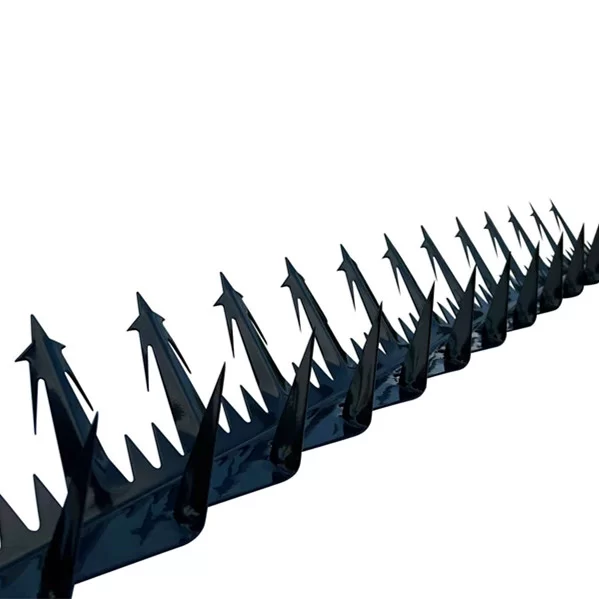
Steel Picket Fence Solutions for Australia

Steel Picket Fence Solutions for Australia

Premium Steel Fencing Options for Residential and Commercial Properties Across Oceania.

The Current State of the Steel Fencing Industry in Australia

Market Overview and Challenges in the Australian Steel Fencing Landscape.

Australia's fencing market is heavily influenced by its vast agricultural sector, extensive property sizes, and a strong emphasis on security. Demand for durable and long-lasting fencing solutions is consistently high. The prevalence of harsh weather conditions, including intense sunlight, strong winds, and occasional flooding, necessitates the use of corrosion-resistant materials like galvanized steel and aluminum alloys. Steel Tubular Fence is a particularly popular choice in rural areas.

The residential sector also represents a significant portion of the market, with homeowners increasingly seeking aesthetically pleasing and secure fencing options. Wrought Iron Fence, while historically expensive, has become more accessible due to advancements in manufacturing techniques and increased competition. The demand for Aluminum Alloy fence is growing due to its lightweight nature and resistance to corrosion.

Currently, the industry faces challenges related to supply chain disruptions, rising raw material costs, and a shortage of skilled labor. Competition from imported fencing products, particularly from Asia, also presents a significant hurdle for local manufacturers. Compliance with Australian standards for fencing materials and installation is crucial.

Evolution of Steel Fencing: From Traditional to Modern

Tracing the Development of Fencing Technology in Australia.

Market Development History

Historically, fencing in Australia relied heavily on timber, particularly in rural areas. However, the susceptibility of timber to rot, fire, and termite damage led to the adoption of metal fencing solutions in the late 19th and early 20th centuries. Early steel fencing utilized basic wrought iron designs, often hand-forged and expensive.

The mid-20th century saw the introduction of galvanized steel wire fencing, offering a more affordable and durable alternative. This period also marked the rise of chain-link fencing, particularly for security applications. The 1980s and 90s witnessed the increasing popularity of tubular steel fencing, driven by advancements in welding and manufacturing processes.

The 21st century has brought about significant innovations in fencing technology, including the widespread use of powder coating for corrosion resistance, the development of more sophisticated locking mechanisms, and the emergence of Aluminum Alloy fence as a premium alternative.

Future Development Trends

Smart Fencing Integration

The integration of smart technology, such as sensors and automated gate systems, is expected to become increasingly prevalent in the fencing market. This trend is driven by the growing demand for security and convenience.

Sustainable Materials & Manufacturing

A focus on sustainability will lead to the development of fencing products made from recycled materials and manufactured using environmentally friendly processes. Demand for eco-friendly options is rising.

Enhanced Corrosion Resistance

Continued research and development will focus on improving the corrosion resistance of steel fencing, particularly in coastal regions. New coating technologies and alloy compositions will play a key role.

Industry Trends and Future Outlook for Steel Fencing in Australia

Analyzing the Future Landscape of Steel Fencing in Oceania.

Growing Demand for Security Fencing
Increased security concerns across Australia are driving demand for robust and aesthetically pleasing fencing solutions.
Rise of DIY Fencing Kits
A growing trend towards DIY home improvement projects is fueling demand for easy-to-install fencing kits.
Increasing Focus on Aesthetics
Homeowners are increasingly prioritizing the aesthetic appeal of their fencing, leading to demand for decorative designs and finishes.
Demand for Low-Maintenance Fencing
Homeowners are seeking fencing options that require minimal upkeep and maintenance, driving demand for materials like aluminum and powder-coated steel.

Industry Outlook

The Australian steel fencing market is projected to experience moderate growth over the next 3-5 years, driven by increasing construction activity, rising security concerns, and a growing demand for aesthetically pleasing fencing solutions. Innovation in materials and manufacturing processes will be key to staying competitive.

Opportunities exist for companies that can offer sustainable fencing options, customized designs, and efficient installation services. Adapting to changing consumer preferences and addressing the challenges of supply chain disruptions will be crucial for success.

Local Application Scenarios for Steel Fencing in Australia

Real-World Applications of Steel Fencing Across Australia.

1. Rural Property Boundary Fencing

Large agricultural properties across states like New South Wales and Queensland rely on robust Steel Fence solutions to contain livestock, define property boundaries, and provide security against intruders. Durability and resistance to harsh weather are paramount.

2. Coastal Residential Security

Homes along the Australian coastline, particularly in Victoria and Western Australia, frequently utilize Aluminum Alloy fence to provide security and aesthetic appeal while withstanding the corrosive effects of salt air.

3. Suburban Privacy Screening

In densely populated suburban areas of cities like Sydney and Melbourne, Steel Picket Fence and Steel Tubular Fence are popular choices for creating privacy screens around backyards and pools.

4. Commercial & Industrial Security

Warehouses, industrial parks, and commercial properties throughout Australia employ heavy-duty Wrought Iron Fence and high-security steel fencing systems to protect assets and prevent unauthorized access.

5. Vine Covered Fencing

Many Australian homeowners are using steel fencing as a support structure for climbing plants like bougainvillea and jasmine, creating a beautiful and natural-looking boundary while benefiting from the strength and durability of steel.

Brand Story

Anping County Huawowo Wire Mesh Products Co., Ltd. Global Development History

Founding & Early Specialization

Established in Anping, the "Hometown of Wire Mesh," Huawowo began as a specialized manufacturer of agricultural fencing in 2008.

Expansion into Residential & Commercial Markets

Recognizing a growing demand, we expanded our product line to include residential and commercial fencing solutions, including steel picket and tubular fences.

Investment in Advanced Manufacturing Technology

We invested in state-of-the-art welding, cutting, and coating equipment to improve product quality and production efficiency.

Entry into the Australian Market

In 2015, we began exporting to Australia, offering competitive pricing and high-quality steel fencing to meet local demands.

Commitment to Customer Satisfaction

Our mission is to provide Australian customers with durable, aesthetically pleasing, and cost-effective steel fencing solutions backed by exceptional customer service.

Frequently Asked Questions About Steel Fencing in Australia

Answers to Common Queries from Australian Customers.

What is the typical lifespan of a galvanized steel fence in the Australian climate?

A properly galvanized steel fence can last for 20-30 years or more in Australia, depending on the quality of the galvanization, the local environmental conditions, and regular maintenance.

What are the Australian standards for pool fencing using steel?

Australian Standard AS 1926.1-2012 outlines the requirements for safety barriers for swimming pools and spas, including specific guidelines for steel fencing height, gap size, and self-closing/latching gate mechanisms.

How does powder coating enhance the durability of steel fencing?

Powder coating provides a protective layer that resists corrosion, UV damage, and chipping, significantly extending the lifespan of steel fencing, especially in coastal or harsh environments.

What are the benefits of choosing aluminum alloy fencing over steel in coastal areas?

Aluminum alloy fencing is naturally corrosion-resistant, making it an excellent choice for coastal environments where steel is susceptible to rust. It is also lightweight and requires minimal maintenance.

Can steel fencing be installed on sloping terrain?

Yes, steel fencing can be adapted to sloping terrain by using stepped panels or custom-fabricated sections that follow the contour of the land. Proper post installation is crucial for stability.

What maintenance is required for a steel picket fence to ensure its longevity?

Regular cleaning with mild soap and water is recommended. Inspect the fence annually for any signs of rust or damage to the coating and address them promptly to prevent further corrosion.

Get a Free Quote Today!

Contact us to discuss your steel fencing needs in Australia. We provide competitive pricing and expert advice.

Contact Us Now

If you are interested in our products, you can choose to leave your information here, and we will be in touch with you shortly.