
Hit enter to search or ESC to close
18 June 2026
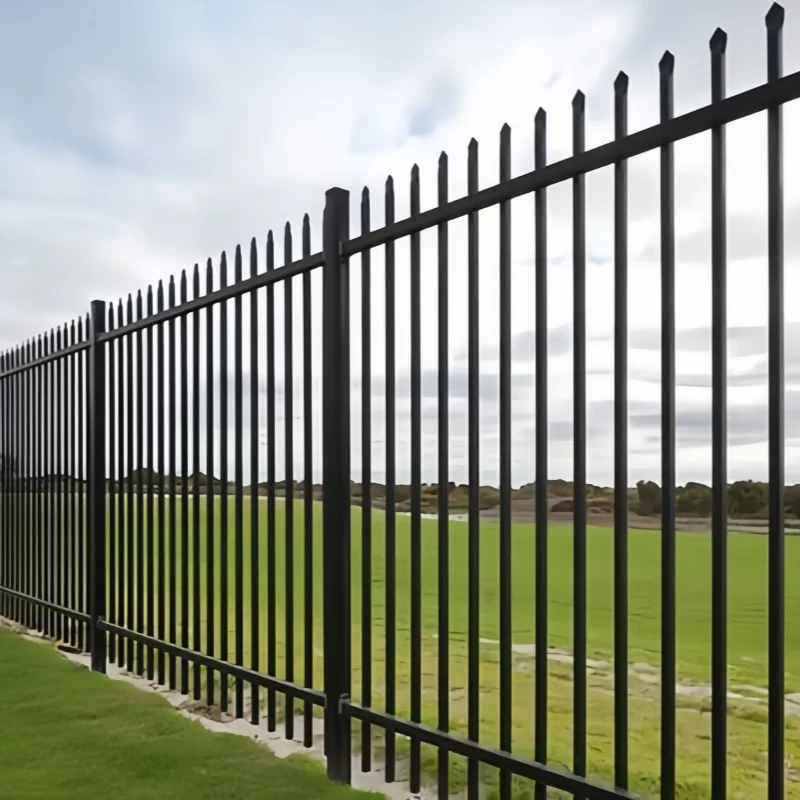
When securing a perimeter, whether for industrial sites, residential gardens, or commercial warehouses, the choice of fencing material can make a significant difference in long-term security and maintenance costs. The fence brc stands out as a premier solution, combining a unique "bent" wire design with high-tensile strength to provide a rigid and durable barrier. This article will explore why BRC fencing is a global standard for security, its technical advantages, and how to choose the right specifications for your project. By understanding the engineering behind these panels, property owners can ensure maximum protection with minimal effort.

BRC fencing, often referred to as welded wire mesh with a distinctive bend, is engineered for rigidity. Unlike standard flat wire mesh, the fence brc features a specific folding process at the top and bottom of the panels. This "bent" design prevents the mesh from sagging over time and makes the installation process significantly faster and more stable. Most BRC panels are manufactured from high-quality steel and treated with galvanization or PVC coating to prevent rust and corrosion, ensuring they withstand harsh weather conditions for decades.
Pro Tip: The rigidity of BRC fencing makes it an excellent choice for areas prone to high winds or where animals might lean against the fence, as it maintains its shape far better than chain-link options.
The popularity of the fence brc stems from its balance of aesthetics and functionality. First, the welded joints provide a level of strength that prevents the mesh from being easily pushed apart. Second, the visibility it offers allows security personnel to monitor the area behind the fence without compromising the barrier. Additionally, the availability of various coatings means it can blend into a natural landscape or provide a high-visibility industrial look. For those seeking a low-maintenance security solution, BRC is often the most cost-effective choice over its entire lifecycle.
Top Advantages:
• High Rigidity: Resistant to deformation and impact.
• Anti-Corrosion: Hot-dip galvanized or PVC coated for longevity.
• Easy Installation: Modular panels allow for rapid deployment.
• Clear Visibility: Ideal for surveillance and monitoring.
While both are common in security, the fence brc offers distinct advantages over traditional chain link. Chain link is flexible and can stretch or sag if not tensioned perfectly, whereas BRC is a rigid panel. This makes BRC significantly harder to climb or cut through in specific sections. While chain link might be slightly cheaper for massive rural perimeters, BRC is the superior choice for urban, industrial, and high-security zones where structural integrity is non-negotiable.
The adaptability of the fence brc makes it a preferred choice across various sectors. In industrial zones, it is used to protect machinery and sensitive equipment from unauthorized access. In residential areas, homeowners use BRC panels for secure garden boundaries that don't block the view of the landscape. It is also widely utilized in sports complexes to enclose courts while maintaining air circulation and light. From government facilities to private warehouses, the reliability of BRC ensures that the perimeter remains intact regardless of the environment.

To ensure you are purchasing the correct grade of fence brc, it is essential to look at the technical data. Factors such as wire diameter, mesh aperture (the size of the holes), and the coating thickness determine the fence's strength and lifespan. Typically, BRC fences use low-carbon steel that is welded using automated resistance welding to ensure every joint is secure. Below is a general specification table for standard BRC panels used in most commercial projects:
While fence brc is designed for low maintenance, a few simple steps can extend its life by several years. First, periodically check the attachment points where the panels connect to the posts; ensuring these are tight prevents the fence from shifting. Second, if you have galvanized fencing, keep an eye out for any deep scratches that penetrate the zinc layer. Touching up these spots with cold-galvanizing spray can prevent localized rust from spreading. Finally, clear away heavy vegetation or vines that may cling to the mesh, as trapped moisture can accelerate the degradation of the coating over time.
Choosing the right perimeter protection is an investment in peace of mind. The fence brc offers an unmatched combination of structural rigidity, ease of installation, and long-term durability. Whether you are securing a high-risk industrial site or simply defining your property boundaries, BRC fencing provides a professional, secure, and aesthetically clean solution. Trust in high-quality engineering to keep your property safe and your maintenance costs low.
Not at all. One of the primary reasons for the popularity of fence brc is its modular nature. Because it comes in pre-fabricated panels with integrated bends, you don't need to struggle with stretching wire or precise tensioning. The panels are simply bolted or tied to the support posts, making the installation process significantly faster than traditional chain-link or woven wire fences. For large-scale projects, this leads to substantial savings in labor costs.
The choice depends on your environment. Hot-dip galvanizing provides a strong, metallic zinc layer that is excellent for general industrial use and offers great durability. However, if your fence is located near the coast (salt air) or in a highly acidic environment, PVC coating is superior. PVC provides an extra plastic barrier that completely seals the steel from moisture and oxygen, preventing rust entirely. Additionally, PVC allows for various colors (usually green or black), which is ideal for blending into residential or park settings.
The wire diameter should be chosen based on the level of security you need. For basic boundary marking or garden use, a diameter of 3mm to 4mm is usually sufficient. For commercial perimeters where there is a higher risk of attempted intrusions or impact from vehicles/animals, 5mm to 6mm is recommended. Thicker wires increase the rigidity and make the fence much harder to cut with manual pliers. You can consult with the experts at Huawowiremesh to get a customized recommendation based on your specific site risks.
Yes, it is an excellent choice for animal enclosures, especially for larger animals that might lean or push against the fence. Because the BRC design is rigid and welded, it doesn't stretch or give way like chain-link. This prevents animals from getting their heads stuck in the mesh or pushing through the gaps. Depending on the animal, you can select a smaller mesh aperture to ensure that smaller pets or livestock cannot escape, providing a secure and durable environment.