

Elevate Your Property with Premium Steel Picket Fence Solutions in New Zealand

Elevate Your Property with Premium Steel Picket Fence Solutions in New Zealand

Providing robust and aesthetically pleasing fencing options for residential and commercial applications across Oceania.

Elevate Your Property with Premium Steel Picket Fence Solutions in New Zealand

Discover a comprehensive range of steel fencing solutions designed to enhance security and aesthetics in New Zealand properties.

Current Market Landscape for Steel Fencing in New Zealand

An overview of the steel fencing industry and its dynamics within the New Zealand context.

New Zealand’s fencing market is heavily influenced by its agricultural sector, with a significant demand for durable and long-lasting fencing solutions. The geographical diversity, ranging from rolling hills to coastal regions, necessitates fencing that can withstand varying weather conditions and terrains. Steel Tubular Fence is increasingly popular due to its strength and versatility.

The demand for residential fencing is driven by a growing population and an emphasis on property security and aesthetics. There's a rising trend towards low-maintenance fencing options, making Steel Picket Fence a desirable choice. Imported steel products form a significant part of the supply chain.

Government regulations regarding property boundaries and safety standards play a crucial role in shaping the industry. Compliance with these regulations is paramount for manufacturers and installers. The increasing focus on sustainability also impacts material choices, with recycled steel gaining traction. Steel Fence is a strong option for lasting results.

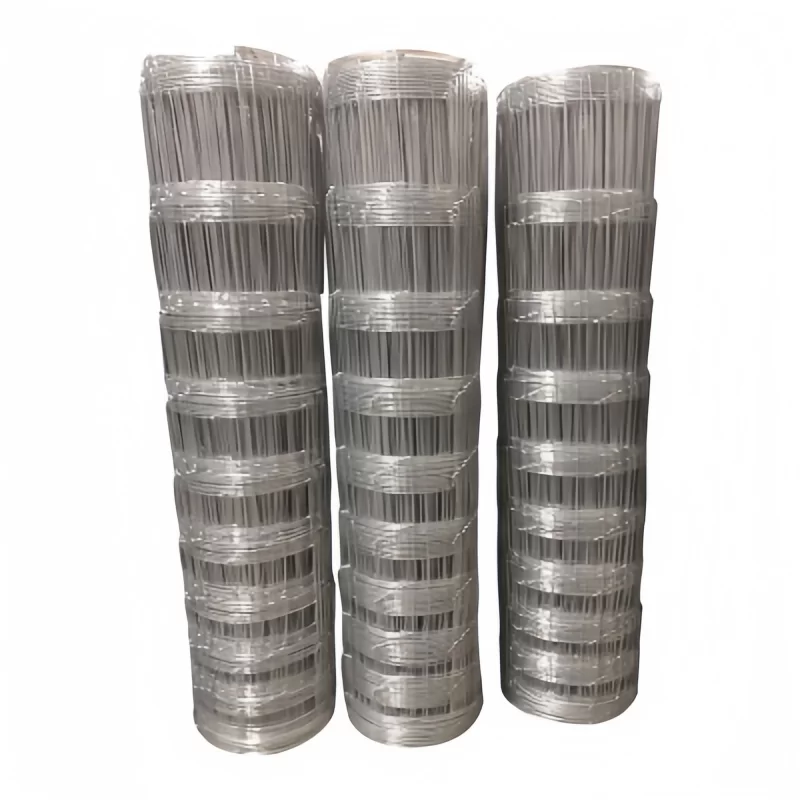
Evolution of Steel Fencing: From Traditional to Modern Solutions in New Zealand

Tracing the historical development and technological advancements in the steel fencing industry.

Market Development History

Historically, fencing in New Zealand relied heavily on timber, but the susceptibility to rot and the need for frequent maintenance led to the adoption of steel as a more durable alternative in the mid-20th century. Early steel fences were often simple wire structures. Wrought Iron Fence, though aesthetically pleasing, was expensive and labor-intensive.

The 1980s and 90s saw the introduction of galvanized steel, offering improved corrosion resistance. Manufacturing processes became more efficient, reducing costs and increasing availability. Powder coating technologies were also adopted, enhancing the aesthetic appeal and protective qualities of steel fencing.

The 21st century has witnessed significant innovation in steel fencing, with the development of advanced alloys and pre-fabricated fencing systems. Computer-aided design (CAD) and computer-aided manufacturing (CAM) have revolutionized production, enabling customized designs and precise fabrication. Aluminum Alloy fence became a popular alternative due to it's corrosion resistance.

Future Development Trends

Smart Fencing Integration

Integrating smart home technology into steel fencing systems, such as automated gates with remote access control and security sensors, is gaining momentum. Google Trends data shows increasing searches for "smart fencing" and "automated gates" in New Zealand.

Sustainable Steel Solutions

The demand for eco-friendly products is driving the use of recycled steel and the development of more sustainable manufacturing processes. Consumers are increasingly seeking fencing options with a lower environmental impact.

Advanced Corrosion Protection

Research and development efforts are focused on developing even more effective corrosion protection coatings, particularly for coastal environments in New Zealand. Nanotechnology and advanced polymer coatings are showing promise.

Industry Trends and Future Outlook for Steel Fencing in New Zealand

Exploring the key trends shaping the future of the steel fencing industry in New Zealand.

Increased Demand for Rural Fencing
New Zealand's agricultural sector continues to grow, driving demand for robust and reliable rural fencing solutions to manage livestock and secure properties.
Growing Preference for Low-Maintenance Options
Homeowners are increasingly seeking fencing solutions that require minimal upkeep, driving demand for powder-coated steel and corrosion-resistant alloys.
Customization and Design Flexibility
Consumers are seeking fencing solutions that complement their property's aesthetics, driving demand for customizable designs and finishes.
Increased Adoption of Steel Alternatives
Growing preference for cost-effective, lightweight, and corrosion-resistant materials like aluminum alloys for specific fencing applications.

Industry Outlook

The New Zealand steel fencing market is expected to continue its growth trajectory, driven by ongoing construction activity, increasing demand for rural fencing, and a growing preference for low-maintenance solutions. The focus on sustainability and customization will also shape the future of the industry.

Manufacturers and installers who embrace innovation, prioritize quality, and offer customized solutions will be well-positioned to succeed in this dynamic market.

Local Applications of Steel Fencing in New Zealand

Real-world examples showcasing the versatility of steel fencing in various New Zealand settings.

1. Coastal Property Protection

Steel fencing with specialized corrosion-resistant coatings is used to protect beachfront properties from harsh marine environments and strong winds. The robustness of steel ensures long-term durability even in challenging conditions.

2. Rural Livestock Management

Farmers and agricultural businesses rely on steel stock fencing to securely contain livestock, prevent trespass, and protect crops. The strength and resilience of steel are crucial for effective animal management.

3. Residential Security and Privacy

Homeowners choose steel picket fences and panel fencing to enhance property security, delineate boundaries, and create private outdoor spaces. The aesthetic appeal of steel complements various architectural styles.

4. Vineyard and Orchard Protection

Steel fencing is utilized to protect vineyards and orchards from pests, wildlife, and unauthorized access, ensuring the quality and yield of valuable crops.

5. Lifestyle Block Boundary Definition

Increasingly common, lifestyle blocks throughout New Zealand are utilizing steel fencing to clearly define boundaries and provide a robust, aesthetically pleasing perimeter.

Brand Story

The global journey of Anping County Huawowiremesh Products Co., Ltd.

Pioneering Quality Manufacturing

Founded in Anping, the “Hometown of Wire Mesh,” we started with a commitment to producing high-quality wire mesh and fencing products, setting a benchmark for industry standards.

Expanding Global Reach

We expanded our reach beyond domestic markets, establishing a global presence through strategic partnerships and a dedication to serving diverse customer needs.

Innovation in Materials and Techniques

Continuous investment in research and development led to the adoption of advanced materials and manufacturing techniques, enhancing product performance and durability.

Commitment to Customer Satisfaction

We prioritize customer satisfaction by providing tailored solutions, responsive support, and reliable delivery, building lasting relationships based on trust.

Sustainable Practices and Responsibility

We are dedicated to sustainable manufacturing practices, minimizing environmental impact, and contributing to a greener future.

Frequently Asked Questions About Steel Fencing in New Zealand

Answers to common questions regarding steel fencing solutions for New Zealand properties.

What is the recommended steel fencing height for securing a residential property in New Zealand?

The ideal height depends on the specific security requirements and property layout. Generally, 1.8 to 2.1 meters is recommended for residential properties in New Zealand, providing a good balance between security and aesthetics.

How does salt spray affect steel fencing near the New Zealand coastline?

Salt spray can accelerate corrosion in steel. We recommend using marine-grade steel with specialized coatings, such as galvanizing and powder coating, to provide superior protection against salt corrosion in coastal areas of New Zealand.

What are the typical installation costs for a steel picket fence in a standard-sized New Zealand section?

Installation costs vary depending on factors such as fence length, ground conditions, and site accessibility. On average, you can expect to pay between $80 and $150 per meter for professional installation of a steel picket fence in New Zealand.

What maintenance is required to keep a steel tubular fence looking its best in New Zealand’s climate?

Regular cleaning with mild soap and water is generally sufficient. Periodically inspect the coating for any scratches or damage and touch up as needed to prevent rust. Avoid using abrasive cleaners or high-pressure washers.

Is it possible to automate a steel gate installed with a steel fence in New Zealand?

Yes, steel gates can be easily automated with gate operators. We offer a range of automated gate systems compatible with our steel fencing solutions, providing convenient and secure access control in New Zealand.

What are the local building code requirements for steel fencing installations in New Zealand?

Building code requirements vary depending on the region and the purpose of the fencing. It’s important to consult with local council authorities to ensure compliance with all relevant regulations and obtain any necessary permits before installation.

Get in Touch for Your Fencing Needs

We serve clients throughout New Zealand, providing expert guidance and high-quality steel fencing solutions tailored to your specific requirements.

Contact Us Now

If you are interested in our products, you can choose to leave your information here, and we will be in touch with you shortly.